
Last Updated on July 8, 2026 by Dr. Abadullah Sajid Bashir
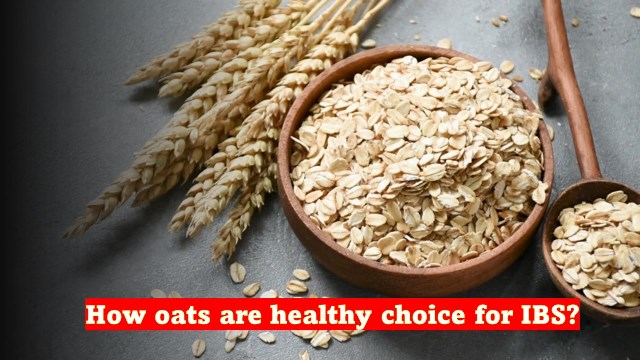
Plain oats are one of the more IBS-friendly whole grains available they’re a good source of soluble fiber and are relatively low in FODMAPs at typical serving sizes. The catch is portion size: oats contain fructans and galacto-oligosaccharides (GOS), so a small bowl is usually fine while a large one can tip into high FODMAP territory. Toppings matter just as much as the oats themselves.
Why Oats Are Generally Well Tolerated
Whole grains like oats are nutritionally dense, providing soluble fiber, protein, and micronutrients, and Monash University’s research on grain-based foods identifies oats as one of the lower-FODMAP whole grain options, alongside rice and quinoa. Soluble fiber in particular can be helpful across IBS subtypes: it can bulk and soften stool for IBS-C, and help firm loose stool for IBS-D, when increased gradually.
Serving Size Is the Variable That Actually Matters
Oats are a textbook example of a food where the amount — not the food itself — determines whether it’s low or high FODMAP. According to Monash University’s Low FODMAP Program, oats and oat products have been laboratory-tested across several preparations, with rolled oats generally tolerated at around half a cup dry, and some quick or instant oat products having a smaller tested serving size. Because Monash periodically retests and updates its serving-size data as testing methods improve, the most reliable current numbers are always the live Monash FODMAP app rather than any static list including this one.
General starting points
- Rolled/old-fashioned oats: roughly ½ cup (about 40–52g) dry as a typical low FODMAP starting serving.
- Quick or instant oats: often tolerated in a somewhat smaller serving than rolled oats.
- Oat flour and steel-cut oats: check the app directly, as tested amounts vary by product and brand.
- Servings much larger than these (roughly ¾ cup or more) are more likely to move into moderate-to-high FODMAP territory due to fructan and GOS content.
What You Put On Top Matters As Much As the Oats
A well-tolerated bowl of oats can easily become a trigger through its toppings. Honey, apple, pear, and dried fruit are common high-FODMAP additions. Cow’s milk in large amounts adds lactose, which can be an issue for the many IBS patients with some degree of lactose sensitivity.
- Better-tolerated: maple syrup, a small measured serving of blueberries or strawberries, a sprinkle of cinnamon, lactose-free milk or a plant milk without inulin/chicory root added.
- More likely to trigger symptoms at typical portions: honey, apple or pear pieces, dried fruit, regular cow’s milk in large volumes, added inulin or chicory root fiber (increasingly common in “high fiber” oat products check the label).
Introducing Oats If You’re Not Used to Fiber
Sudden increases in fiber, including from oats, can temporarily increase gas and bloating in anyone, IBS or not. Increasing portion size gradually over one to two weeks, and drinking enough water alongside it, generally reduces this adjustment period.
The Bottom Line
For most people with IBS, a modest, plain bowl of oats is one of the safer breakfast choices available the fiber can genuinely help, and the FODMAP load stays low at typical servings. Keep portions in the half-cup range, be selective about toppings, and increase fiber gradually rather than all at once.
FAQ Section
Are oats generally safe for people with IBS?
Yes. Plain oats are relatively low in FODMAPs and are a source of soluble fiber, which can help both constipation- and diarrhea-predominant IBS when introduced gradually. Portion size and toppings are what usually determine tolerance.
How much oatmeal counts as a low FODMAP serving?
Monash University’s testing generally puts a low FODMAP serving of rolled oats at around half a cup (roughly 40–52g) dry, with quick oats tolerated in somewhat smaller amounts. Larger servings can shift into moderate-to-high FODMAP territory due to fructan and galacto-oligosaccharide (GOS) content check the current Monash FODMAP app, since serving sizes are periodically retested and updated.
What toppings should I avoid?
Honey, apple, pear, and large amounts of milk are common ways an otherwise safe bowl of oats becomes high FODMAP. Maple syrup, a small serving of blueberries, and lactose-free milk are generally better tolerated options.
Are steel-cut, rolled, and instant oats different for IBS?
Yes processing affects tested FODMAP serving sizes, with some instant/quick oat products tolerated in smaller amounts than rolled oats. If you’re in a strict elimination phase, it’s worth checking the specific product type in the Monash app rather than assuming all oats behave the same.
References
| Source / Title | Publisher | Link |
| Low FODMAP grains — grain-based foods on a low FODMAP diet. | Monash University Low FODMAP Blog | View source |
| FODMAP FAQs. | Monash University Low FODMAP Program | View source |
| Irritable Bowel Syndrome (IBS). | National Institute of Diabetes and Digestive and Kidney Diseases (NIDDK), NIH | View source |
Reviewed By:
- Dr. Muhammad Zubair Chaudhary
- Syeda Noor-ul-Ain Naqvi
For Reviewer Detail Click Here