
Last Updated on July 8, 2026 by Dr. Abadullah Sajid Bashir
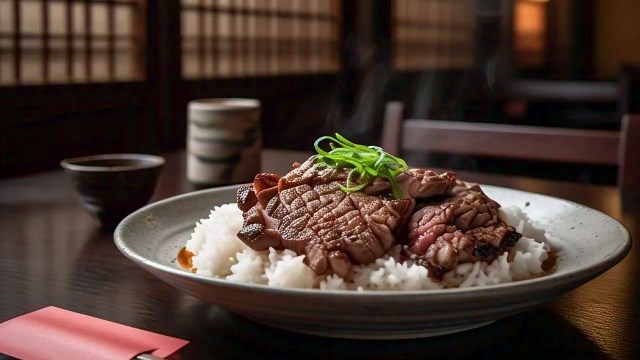
For many people with irritable bowel syndrome (IBS), a spicy, meat-based rice dish eaten late at night can absolutely trigger symptoms but it’s rarely the rice itself. It’s usually a combination of chili heat, onion and garlic content, fat, and portion size, all landing on a gut that’s about to lie flat for several hours. Understanding which part of the dish is actually responsible makes it much easier to keep enjoying similar meals without paying for it later.
What IBS Actually Is
IBS is a disorder of gut-brain interaction marked by recurring abdominal pain linked to changes in bowel habits diarrhea, constipation, or both without visible damage to the digestive tract, according to the National Institute of Diabetes and Digestive and Kidney Diseases. Food is one of the most consistently reported symptom triggers, though which specific foods matter varies a lot between individuals.
Why This Particular Combination Is a Common Trigger
1. Capsaicin and gut sensitivity
Chili peppers contain capsaicin, which activates pain-signaling receptors (TRPV1) found throughout the digestive tract. A review of clinical research on dietary capsaicin found that people with IBS tend to have heightened gut sensitivity to capsaicin compared with healthy volunteers, and that eating chili can measurably increase abdominal burning, pain, and rectal sensitivity, according to a peer-reviewed review in the European Journal of Pharmacology. The same review notes that capsaicin can also speed up gut motility — which is part of why spicy meals are more likely to trigger urgency or loose stools than constipation.
2. Onion and garlic, a bigger issue than most people realize
Meat-based rice dishes are frequently built on a base of sautéed onion and garlic. Both are concentrated sources of fructans, a type of fermentable carbohydrate (part of the FODMAP group) that is well established as an IBS symptom trigger. Rice itself, by contrast, is classified as low FODMAP by Monash University’s FODMAP research, the group that developed the low FODMAP diet. In practice, this means the rice in your dish is very unlikely to be the culprit the aromatics usually are.
3. Fat and portion size slow things down
Rich, meat-heavy dishes are typically higher in fat, which can slow gastric emptying and, in some people, worsen bloating and discomfort. A large portion late in the evening compounds this, since the digestive system has less time to process the meal before you lie down.
Does Eating Late at Night Make It Worse?
There isn’t strong evidence that meal timing alone triggers IBS the way specific foods do. But lying down soon after a large, spicy, fatty meal can worsen reflux and abdominal discomfort, and disrupted sleep is itself associated with more severe next-day IBS symptoms in several studies. In short: it’s less about the clock and more about what’s still in your stomach when you go horizontal.
A Lower-Risk Way to Make Meat and Rice
- Use rice as the base — it’s naturally low FODMAP and unlikely to be the trigger.
- Swap whole onion and garlic for garlic-infused oil and the green part of spring onions, which carry the flavor without the fructans.
- Dial back the chili, especially for an evening meal, and add heat gradually to gauge your own tolerance rather than avoiding it completely.
- Choose leaner cuts of meat to reduce the fat load.
- Leave 2–3 hours between eating and lying down when possible.
Relief If Symptoms Do Flare
- Warm water or herbal tea (ginger and peppermint are commonly used) can ease general digestive discomfort.
- A hot water bottle on the abdomen may help relax cramping see our full guide to using a hot water bottle for IBS.
- Avoid adding new medications or supplements at night without guidance from a healthcare provider; if pain is severe or unusual for you, seek medical advice rather than self-treating.
The Bottom Line
A late-night meat-and-rice dinner isn’t automatically off-limits with IBS, but if it consistently causes trouble, look first at the onion, garlic, chili, and portion size rather than blaming the rice. Keeping a simple food-and-symptom diary for a few weeks is the most reliable way to find your own personal threshold.
FAQ
Is it the spice or the rice that causes symptoms?
Usually neither alone, it’s more often the combination. Capsaicin from chili can heighten gut sensitivity and speed up motility in people with IBS, while onion and garlic (common in meat-and-rice recipes) are high in fructans, a well-documented FODMAP trigger. Plain rice itself is low FODMAP.
Does eating late at night make IBS worse on its own?
Meal timing itself isn’t a proven IBS trigger the way specific foods are, but lying down soon after a large, fatty, or spicy meal can worsen reflux and abdominal discomfort, which may feel like an IBS flare.
Can I still eat spicy food if I have IBS?
Many people with IBS can tolerate some spice; research even suggests regular, gradual exposure may reduce gut sensitivity to capsaicin over time in some individuals. Track your own response rather than avoiding spice altogether.
What’s a lower-risk way to make meat and rice for dinner?
Use rice (naturally low FODMAP), garlic-infused oil instead of whole garlic, the green tops of spring onion instead of onion bulb, and go easy on chili, especially in the hours before bed.
References
| Source / Title | Publisher | Link |
| Chaiyata P, et al. Beneficial effects of dietary capsaicin in gastrointestinal health and disease. | ScienceDirect / European Journal of Pharmacology (2022) | View source |
| Symptoms & Causes of Irritable Bowel Syndrome. | National Institute of Diabetes and Digestive and Kidney Diseases (NIDDK), NIH | View source |
| Low FODMAP grains — grain-based foods on a low FODMAP diet. | Monash University Low FODMAP Blog | View source |
Reviewed By:
- Dr. Muhammad Zubair Chaudhary
- Syeda Noor-ul-Ain Naqvi
For Reviewer Detail Click Here